
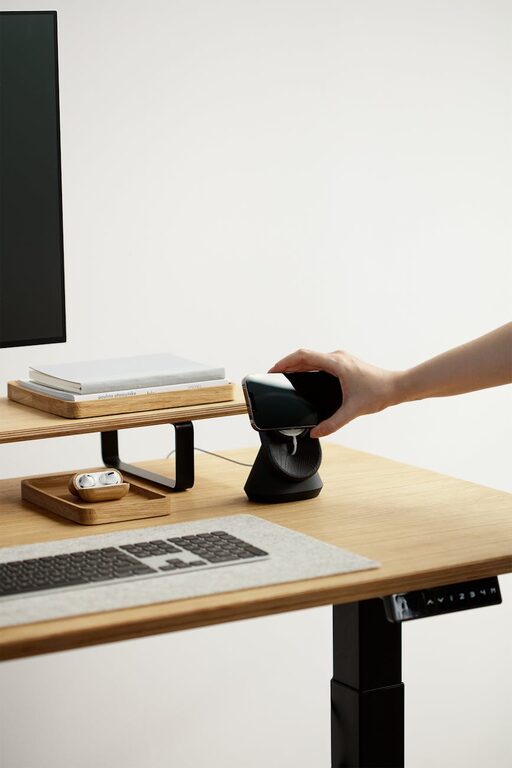
Working from home offers flexibility and comfort, but it also comes with unique challenges—especially when it comes to maintaining focus. Without the structure of an office environment, distractions can multiply, and motivation can wane. If you find yourself struggling to stay on task, don’t worry; you’re not alone. This post shares effective strategies to help you improve concentration and get more done while working remotely.
Create a Dedicated Workspace
One of the most important steps in boosting focus is setting up a specific area just for work.
– Choose a quiet spot: Select a place with minimal noise and foot traffic.
– Keep it tidy: A clutter-free desk helps prevent distractions and keeps your mind clear.
– Equip it properly: Make sure you have all the tools you need, from your computer to chargers and notebooks.
Having a dedicated workspace signals your brain that it’s time to focus and helps you mentally separate work from leisure.
Establish a Routine and Stick to It
Structure your day with a consistent schedule that mimics a typical workday.
– Set regular start and end times: This creates boundaries between work and personal time.
– Use breaks wisely: Schedule short breaks every hour to rest your eyes and stretch, improving overall concentration.
– Plan your tasks: Make a to-do list at the start of each day to organize your priorities.
A routine helps your mind anticipate when it’s time to focus and when it’s okay to relax.
Limit Distractions
Distractions are everywhere at home, but there are ways to reduce their impact.
– Turn off non-essential notifications: Silence social media and email alerts during deep work periods.
– Communicate boundaries: Let family or roommates know your work hours so they can support your need for focus.
– Use technology wisely: Apps like website blockers can help limit time spent on distracting sites.
The less your attention is pulled away, the easier it is to maintain concentration.
Practice Time Management Techniques
Effective time management can greatly enhance your ability to focus.
– Try the Pomodoro Technique: Work for 25 minutes, followed by a 5-minute break. Repeat this cycle to maintain high productivity.
– Set time blocks for specific tasks: Allocate focused periods for different projects or responsibilities.
– Use timers or alarms: These reminders help you stay on track and stick to your schedule.
Time management methods help break work into manageable chunks and prevent burnout.
Prioritize Your Well-being
Your physical and mental health directly affect your ability to focus.
– Get regular exercise: Even short walks can boost your energy and clear your mind.
– Stay hydrated and eat balanced meals: Good nutrition fuels your concentration and stamina.
– Ensure adequate sleep: Lack of rest severely impacts cognitive function and attention.
Taking care of yourself forms the foundation for productive work.
Minimize Multitasking
While it might seem productive, multitasking often reduces efficiency.
– Focus on one task at a time: This improves the quality of your work and speeds up completion.
– Close unnecessary tabs and applications: Keep only what’s relevant open during work sessions.
– Organize tasks by priority: Handle important or difficult jobs first when your energy is highest.
Single-tasking helps you dive deeper into your work and avoid costly mistakes.
Use Natural Light and Maintain Good Posture
A comfortable, well-lit environment supports better focus.
– Place your desk near a window: Natural light reduces eye strain and elevates mood.
– Invest in an ergonomic chair and desk setup: Proper posture prevents discomfort that can distract you.
– Take standing or stretching breaks: Change your position regularly to stay alert.
Physical comfort plays a subtle but significant role in maintaining concentration over long periods.
Set Clear Goals and Celebrate Progress
Having clear objectives keeps your work purposeful.
– Define daily or weekly goals: Knowing what you aim to accomplish sharpens focus.
– Break large projects into smaller steps: This makes your workload feel manageable.
– Celebrate achievements: Recognizing progress boosts motivation and keeps you engaged.
Goal-setting aligns your efforts and anchors your attention on meaningful tasks.
—
Working from home doesn’t have to mean struggling with distractions or a waning focus. By creating a productive environment, managing your time carefully, prioritizing health, and setting clear goals, you can maintain sharp concentration and enjoy the benefits of remote work. Try incorporating these tips gradually and see which ones work best for your unique situation. Happy working!