
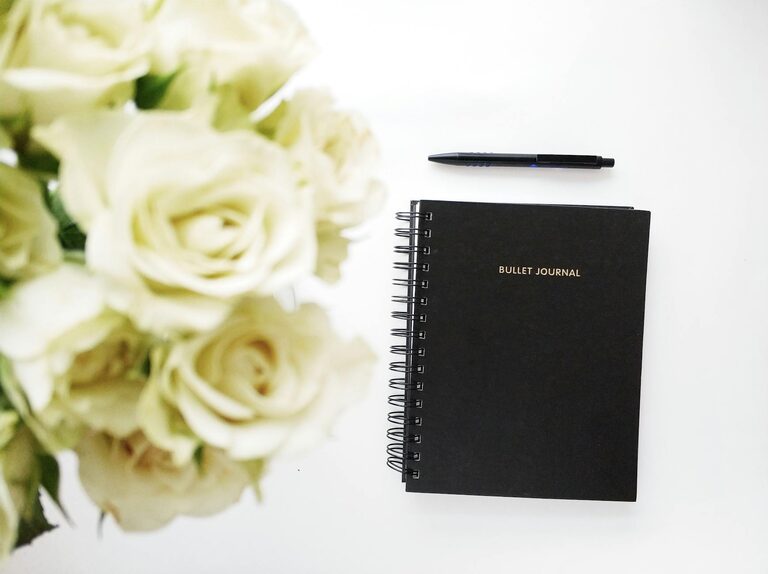
Bullet journaling is a versatile and creative way to organize your life, track habits, and spark productivity. Whether you’re new to planning or looking for a fresh approach, bullet journaling offers a flexible framework that you can tailor to your needs. In this beginner guide, you’ll learn what bullet journaling is, how to get started, and tips to maintain your journal effectively.
What Is Bullet Journaling?
Bullet journaling, often shortened to “BuJo,” is a customizable organizational system created by Ryder Carroll. It combines elements of a planner, diary, to-do list, and habit tracker all in one notebook. The core idea is to use simple symbols (“bullets”) to quickly log tasks, events, and notes, making your journal a hub for all aspects of your daily life.
Unlike pre-designed planners, bullet journaling can be as minimal or artistic as you wish. It encourages mindfulness and intentional planning without overwhelming you with rigid layouts.
Why Start a Bullet Journal?
– Flexibility: Adapt your journal to suit your unique schedule and goals.
– Comprehensive organization: Keep your tasks, appointments, goals, and reflections in one place.
– Creativity boost: Personalize your pages with drawings, colors, and styles.
– Improved productivity: Stay focused by prioritizing what matters most.
– Mental clarity: Writing things down reduces stress and clears your mind.
What You Need to Begin
One of the best things about bullet journaling is how simple it is to start. You don’t need fancy tools; a basic notebook and pen are enough. Here’s what you might consider:
– Notebook: Any notebook will work, but dot grid or blank pages are popular for flexibility.
– Pen: Choose what feels comfortable—gel pens, fineliners, or even colored pens.
– Ruler (optional): For creating straight lines and neat layouts.
– Markers or highlighters (optional): To add color coding or decorate.
Setting Up Your Bullet Journal: Key Components
1. Index
Think of the index as your journal’s table of contents. Create it on the first few pages. Every time you add a new collection or log, write its title and page number here for easy reference.
2. Future Log
The future log is a yearly overview where you jot down important events, deadlines, or goals for upcoming months. It helps you plan ahead and not forget key dates.
3. Monthly Log
This section provides a snapshot of the current month. It usually includes:
– A calendar or list of dates
– Monthly goals or priorities
– Important reminders or appointments
4. Daily Log
Your daily log is the heart of your bullet journal. This is where you list your daily tasks, events, and notes. Each day gets space to jot down what you need to do and track progress.
5. Collections
Collections are custom lists or trackers based on your interests and needs. Some common examples are:
– Habit trackers
– Gratitude logs
– Book or movie lists
– Budget trackers
– Meal planners
Learning Bullet Journal Symbols (Bullets)
Ryder Carroll designed simple symbols to quickly capture the status of each entry:
– Task: • (a dot)
– Completed task: X
– Migrated task (moved to another day): >
– Scheduled task or event: >
– Event: O (a circle)
– Note: – (a dash)
Feel free to create your own symbols or color codes that make sense to you.
Step-by-Step Guide to Creating Your First Pages
- **Set up the index:** Reserve the first 2-4 pages for your index.
- **Create a future log:** Divide the next pages into sections for each month (e.g., 6 months per page).
- **Add your monthly log:** Write the month name at the top, list days in a column, and note important dates or goals.
- **Start daily logs:** Create a heading for each day and list tasks/events beneath.
- **Create collections:** Start with one or two—habit tracker and gratitude log are great for beginners.
Tips for Maintaining Your Bullet Journal
– Keep it simple at first: Focus on basic sections to avoid overwhelm.
– Review regularly: At the start or end of each day, update your tasks and migrate unfinished items.
– Customize over time: Add doodles, colors, or new layouts as you become comfortable.
– Use sticky notes: To temporarily jot down long-term ideas or plans.
– Stay consistent: Aim to use your journal daily, but be flexible.
Overcoming Common Beginner Challenges
– Perfectionism: Your journal doesn’t need to look perfect. Function matters more than looks.
– Time management: Set aside 5-10 minutes daily to update your journal.
– Filling pages: If you miss a day, don’t worry—just continue where you left off.
– Lack of ideas: Check online communities like Instagram or Pinterest for inspiration.
Benefits You'll Notice After a Few Weeks
– Greater awareness of how you spend time
– Reduced stress from not forgetting tasks
– Increased motivation through tracking progress
– An outlet for creativity and self-expression
Final Thoughts
Bullet journaling can be a powerful tool for organizing your life while allowing room for creativity and reflection. The key is to start simple and adapt the system to fit your lifestyle. With patience and daily practice, your bullet journal will become a personalized planner that grows with you.
Happy journaling!