
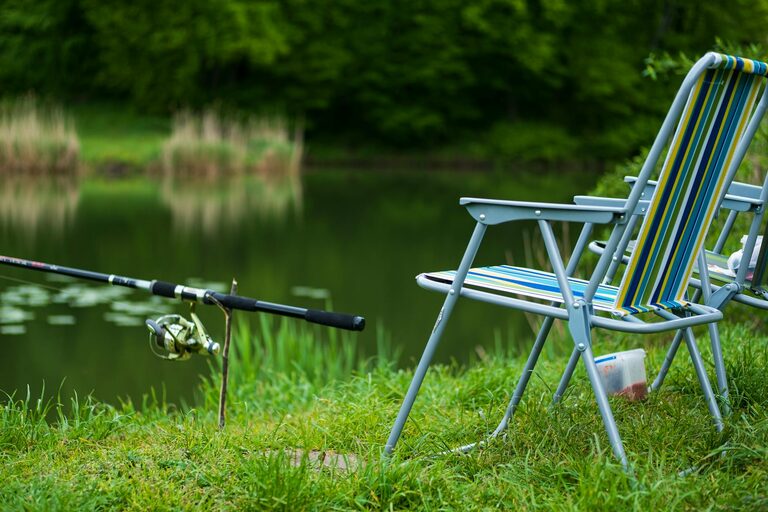
Planning a no-stress weekend may sound simple, but with busy schedules and endless to-dos, it takes some thought to make it happen. Whether you want to unwind after a hectic week or simply recharge, creating a weekend that minimizes stress can improve your mood, energy, and overall well-being. This guide helps you design a relaxing weekend that feels both restful and fulfilling.
Why a No-Stress Weekend Matters
Life can be overwhelming, and without proper downtime, stress builds up. Weekends are a perfect opportunity to slow down and give yourself permission to rest. A no-stress weekend can:
– Boost mental clarity
– Improve sleep quality
– Enhance creativity and focus
– Strengthen relationships
– Support physical health
Knowing these benefits makes planning a little extra effort worthwhile.
Step 1: Set Your Intention
Before your weekend begins, think about what you want to achieve. Is it pure relaxation? Spending quality time with loved ones? Trying new hobbies? Setting a clear intention helps guide your activities and reduces the chance of overbooking yourself.
Try writing your main goal on a sticky note or in a journal, such as “Unwind and relax” or “Focus on connection.”
Step 2: Keep Your Plans Simple and Flexible
Avoid packing your weekend with too many commitments. Over-scheduling can create anxiety, the opposite of your goal. Instead:
– Choose one or two key activities or outings
– Leave plenty of free time to nap, read, or just do nothing
– Let plans be flexible—allow room to change based on how you feel
Having a light schedule makes it easier to relax and enjoy every moment.
Step 3: Create a Comfortable Environment
Your surroundings have a big impact on how relaxed you feel. Prepare your space by:
– Decluttering common areas to create calmness
– Lighting candles or using essential oils like lavender for soothing scents
– Playing soft music or nature sounds
– Setting comfortable lighting, such as warm lamps or natural daylight
A cozy environment invites relaxation and signals your brain to take a break.
Step 4: Disconnect from Technology
Electronic devices often bring distractions and stress. Consider setting boundaries such as:
– Turning off work emails and notifications
– Limiting social media use to a set time or avoiding it altogether
– Having device-free meals or walks
This digital detox can help you stay present and rest your mind.
Step 5: Focus on Activities that Recharge You
Choose activities that make you feel refreshed and happy. Some ideas include:
– Going for a gentle walk in nature
– Reading a favorite book or magazine
– Practicing meditation or deep breathing exercises
– Taking a warm bath or shower
– Listening to calming music or podcasts
– Enjoying a hobby like painting, gardening, or cooking
By selecting activities that nourish you, your weekend becomes a restorative experience.
Step 6: Prioritize Healthy Meals and Hydration
Food impacts your energy and mood. Preparing simple, nutritious meals and drinking plenty of water support your overall well-being during the weekend.
– Try easy recipes that are enjoyable but stress-free to make
– Include fresh fruits and vegetables
– Avoid heavy or processed foods that might leave you feeling sluggish
Meal planning ahead of time can make this step easier.
Step 7: Rest Well
Quality sleep is essential for reducing stress. To improve your rest:
– Stick to a consistent sleep schedule, even on weekends
– Create a bedtime routine that helps you wind down, like reading or gentle stretches
– Keep your bedroom dark, cool, and quiet
Allowing your body to fully relax overnight sets you up for an energized day.
Step 8: Reflect and Adjust
At the end of your weekend, take a moment to reflect. What worked well? What could be improved next time? Journaling your thoughts helps you fine-tune your approach so future weekends become even more rejuvenating.
Sample No-Stress Weekend Schedule
Here’s an example schedule to inspire your planning:
Saturday
– Morning: Sleep in, light stretching, healthy breakfast
– Midday: Nature walk or visit to a park
– Afternoon: Reading or creative hobby, light lunch
– Evening: Home-cooked dinner, calming music, early bedtime
Sunday
– Morning: Meditation, leisurely breakfast
– Midday: Call or meet a close friend/family member
– Afternoon: Free time—nap, bath, or hobby
– Evening: Prepare meals for the week, reflect on the weekend
Final Thoughts
A no-stress weekend doesn’t have to be complicated or expensive. With a little planning and intention, you can create a peaceful break that recharges your body and mind. Remember to be kind to yourself, keep things simple, and enjoy the slow moments. Your well-being will thank you.
Take the time this weekend to relax—your future self will appreciate it!