
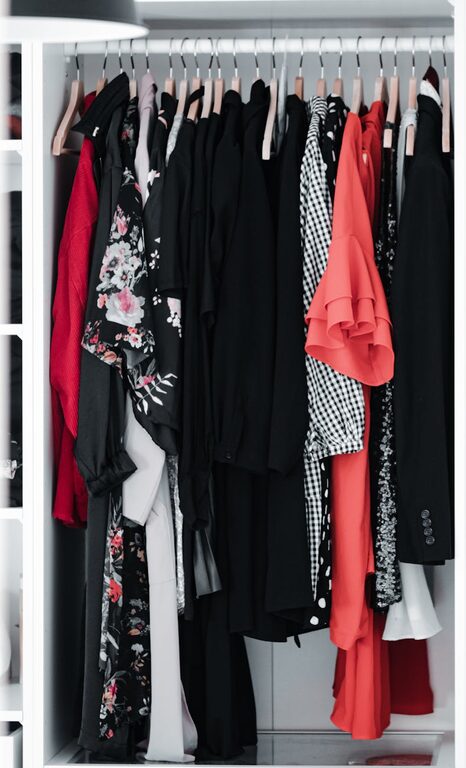
Storing seasonal clothes efficiently is a smart way to save space, keep your wardrobe organized, and protect your garments from damage. Whether you’re putting away winter coats or summer dresses, knowing how to store your clothes properly can prolong their life and make switching seasons hassle-free. In this post, we’ll explore practical tips and ideas to help you store seasonal clothes efficiently.
Why Proper Storage Matters
Seasonal clothes aren’t just out of sight; they need special care while they’re stored. Improper storage can lead to:
– Wrinkling and creasing
– Fading or discoloration
– Moth or insect damage
– Mold and mildew growth
– Hard-to-remove odors
By using the right storage techniques, you’ll keep your clothes fresh, clean, and ready to wear next season.
Step 1: Clean Clothes Before Storing
Before packing away any seasonal item, make sure it’s clean. Dirt, sweat, and oils attract pests and can cause stains to set in permanently.
– Wash or dry clean: Follow the care instructions on your garments.
– Repair damage: Sew loose buttons or fix minor tears.
– Dry completely: Never store damp clothes; moisture can cause mold.
By starting with freshly cleaned clothes, you create the best conditions for long-term storage.
Step 2: Choose the Right Storage Containers
Selecting proper containers is essential for protecting clothes from dust, insects, and moisture.
Types of Storage Options:
– Plastic bins with airtight lids: Ideal for keeping out moisture and pests.
– Fabric storage bags: Breathable but best for clothes less prone to damage.
– Vacuum-sealed bags: Save space but ensure clothes are completely dry to avoid mildew.
– Under-bed storage boxes: Utilize unused space efficiently.
– Suitcases or large baskets: Good for items that are less frequently used.
Tips for Choosing Containers:
– Avoid cardboard boxes, as they absorb moisture and attract bugs.
– Transparent containers let you see contents at a glance.
– Make sure lids seal well, especially for delicate wool or knitwear.
Step 3: Organize Clothes by Type and Frequency of Use
When storing seasonal clothes, organizing helps you find what you need without unpacking everything.
– Sort clothes by category (e.g., sweaters, coats, scarves).
– Group by fabric type (wool, cotton, synthetics).
– Label containers clearly with the contents.
– Place items you’ll use early in the season near the top or front.
Step 4: Use Proper Folding and Packing Techniques
How you fold and pack clothes affects how much space they take and whether they wrinkle.
– Fold sweaters and knits flat: Avoid hanging heavy sweaters to prevent stretching.
– Hang coats and dresses: Use sturdy hangers and cover with breathable garment bags.
– Roll thin clothes: T-shirts and leggings can be rolled to save space.
– Place heavier items on the bottom of storage bins.
Pro Tips:
– Use acid-free tissue paper between folds to reduce creasing.
– Consider packing cubes or dividers for smaller items.
– For delicate items, wrap in muslin or cotton bags.
Step 5: Protect Clothes from Pests and Odors
Moths and insects can do serious damage to stored clothes if not prevented.
– Use natural repellents: lavender sachets, cedar blocks, or herbal pouches.
– Avoid mothballs—they contain harmful chemicals and unpleasant smells.
– Check storage containers every few months for signs of pests or moisture.
– Ensure storage spaces are clean and dry with good air circulation.
Step 6: Store Clothes in a Suitable Location
The place where you store your seasonal clothes influences how well they stay preserved.
– Choose cool, dry, and dark areas like closets, under the bed, or storage rooms.
– Avoid basements and attics prone to dampness and temperature fluctuations.
– Keep containers off the floor to prevent moisture damage; use shelves or pallets if possible.
Step 7: Refresh Clothes Before Reusing
When it’s time to bring your seasonal clothes back into rotation:
– Air them out for a few hours before wearing.
– Brush off dust or lightly steam to remove wrinkles.
– Check for any damage or pests and clean as needed.
Bonus Tips for Efficient Seasonal Storage
– Rotate your clothes seasonally to avoid year-round clutter.
– Donate or discard clothes you no longer wear before storing.
– Keep a small inventory list of stored items for easy reference.
– Consider multi-purpose furniture with hidden storage for extra space.
—
Storing seasonal clothes efficiently doesn’t have to be complicated. With a little planning and the right materials, you can keep your garments safe, save space, and enjoy a tidy, functional wardrobe all year long. Try these tips for your next seasonal switch and notice the difference smart storage makes!